
GROWTH SYSTEMS / REBIRTH
Grow a Chicken Fighter progression
Rebirth is the reset-shaped progression signal in Grow a Chicken Fighter: the official description says it can make later progress faster. That promise is enough to frame a decision, but it is not a published best-time formula. This guide shows how to compare the current run with the next run, how to protect a useful chicken or fusion pair, how the PIT and tower inform the reset, and how to keep a rebirth record that remains readable when the game’s live values change.
Compare the current run with the next
01 / SYSTEM NOTE
What rebirth changes in the loop
The official wording gives rebirth one clear purpose: progress faster. In a game built around eggs, PIT money, tower targets, and repeatable growth, that points toward a comparison between the run you have and the run you expect to repeat. Read the rebirth screen for the current requirement and the result it describes. Then list the part of the loop you can perform again without guesswork. If the answer is “hatch, fight, and reach the same target,” the reset has a route to accelerate.
The public sources do not provide a universal reset threshold, permanent multiplier table, or complete loss list. That boundary makes the live confirmation important. A player can still decide well by checking what will remain, what will be cleared, and what the next run can reach. Rebirth is not a button to press because the label sounds advanced; it is a trade between current progress and a faster repeat.
- Read the current reset requirement.
- Name the loop you can repeat after resetting.
- Protect a pair if fusion is still your immediate goal.
- Compare the visible loss with the promised speed.
02 / SYSTEM NOTE
Check the run before resetting
Before confirming rebirth, visit the three parts of the current run that matter most. At the coop, check whether a useful chicken is equipped or waiting for fusion. At the PIT, read whether your current money route is stable enough to reproduce. At the TOWER, note the floor or boss target you have reached. These checks create a snapshot of what you are giving up and what you hope to recover faster.
If the game shows a detailed reset summary, use its own categories. If it only shows a short prompt, keep the decision small: identify the next egg, the first PIT test, and the first tower target. Do not fill the missing fields with assumptions from another simulator. A rebirth plan is strong when it can be explained in three actions after the reset, not when it contains a perfect-looking multiplier that the current screen never displayed.
| Before rebirth | After rebirth question | Record |
|---|---|---|
| Current tower target | How soon can I reach it again? | Floor or boss label |
| Current PIT route | Can the money loop be repeated? | Visible fight result |
| Useful chicken pair | Does the pair remain available? | Input names |
| Current coop state | What is the first hatch action? | Egg wording |
03 / SYSTEM NOTE
Design the first minutes of the next run
A faster progression loop should feel faster in an observable way. After rebirth, go directly to the coop and find the egg route, then use the PIT to test the first money handoff, and finally look at the tower. This is the same skeleton as the first session, but your reset result should change the time or requirement shown somewhere the game exposes. If the early screens look unchanged, do not invent an improvement; read the rebirth result again and check the current account state.
Keeping the next run short also helps with later comparisons. Write down how many visible actions it takes to reach the first target, not an exact time if the server or player movement makes that unstable. A player can compare a before-and-after route with the same skeleton and decide whether a second rebirth has a reason.
Keep the comparison repeatable: same starting screen, same first target, and the same kind of progress note. The visible route matters more than a precise clock when movement and server conditions differ.
04 / SYSTEM NOTE
Place fusion beside, not inside, the reset
Fusion consumes two chickens and creates a mutated monster; rebirth accelerates a future progression loop. The choices can support one another, but their costs should be read separately. If a pair is your next tower test, fusion may answer the immediate target. If the pair is only a duplicate collection result and the rebirth screen offers a clear repeat benefit, a reset may be the more useful branch. Neither decision needs a permanent order for every player.
Use the current screens to choose the branch. Read the fusion preview, read the reset summary, and name the next action each would create. Then confirm the option that answers the route in front of you. The atlas keeps both pages linked because the official language places them in the same growth family, not because one is always superior.
Fusion can be read as an immediate transformation, while rebirth is a decision about the next run. Treat the previews as two separate promises. If one screen is unclear, pause and return to the system page that explains its input rather than confirming from memory.
05 / SYSTEM NOTE
Keep a rebirth record that survives a patch
A useful rebirth note has five fields: date, current target, visible reset wording, first next-run action, and the result after reaching that action. Avoid writing a multiplier unless the game shows one. Avoid calling a reset “best” without the account state that made it work. This keeps a short player record honest and makes it possible to compare the same route after a balance update.
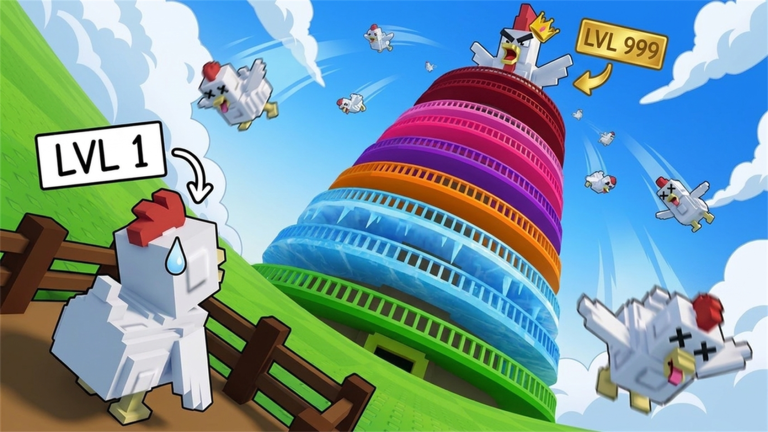
The page’s growth image pairs a low-level bowl with a higher-value destination because that is the shape of the loop, not a promise of a particular reward. The official product copy supplies the speed-up theme. Your current reset screen supplies the decision. Use both layers: broad route from the product, live detail from Roblox.
Use a short record with the date, the visible reset prompt, the starting chicken or egg context, and the first target after the reset. Add a number only when the game shows it. If a later patch changes the wording, the old note still explains which screen produced the earlier decision. This is enough to test whether the faster loop is meaningful for your account without claiming a universal rebirth threshold.